

Summary
- The popularity of Uniqlo x JW Anderson reflects a broader shift in how Southeast Asian Millennials and Gen Z express aspiration and status.
- Rather than relying on loud logos or overt luxury cues, the collaboration allows consumers to signal taste, cultural awareness and design fluency in a more subtle way.
- From a behavioural science perspective, its appeal lies in “safe aspiration”: elevated style that feels practical, justifiable and socially low-risk.
- The collaboration shows how Uniqlo has built on its LifeWear foundation, moving from everyday usefulness into a more culturally expressive form of fashion.
- For brands, the lesson is clear: modern aspiration is not always about being louder or more exclusive. Increasingly, it is about helping consumers signal the right identity with less friction.
Related reading: In our earlier article, “How Uniqlo Won by Redefining Fashion as Life Technology”, we explored how Uniqlo stepped outside traditional fashion logic by building its brand around comfort, simplicity, functionality and everyday life. This piece looks at the next layer of that strategy: how collaborations like Uniqlo x JW Anderson turn understated everyday clothing into a subtle form of aspiration and status signalling. Read the earlier article here: https://www.illuminateasia.com/blog/articles/detail/how-uniqlo-won-by-redefining-fashion-as-life-technology
Why Uniqlo x JW Anderson Feels More Aspirational Than Loud Luxury
Aspiration in Fashion: A Shift in How It Is Expressed
For decades, fashion aspiration followed a relatively straightforward formula. Luxury brands signalled status through recognisability, exclusivity and price. The more recognisable, scarce and expensive the item, the stronger the signal it communicated.
But among Southeast Asian Millennials and Gen Zs today, the logic of aspiration appears to be shifting.
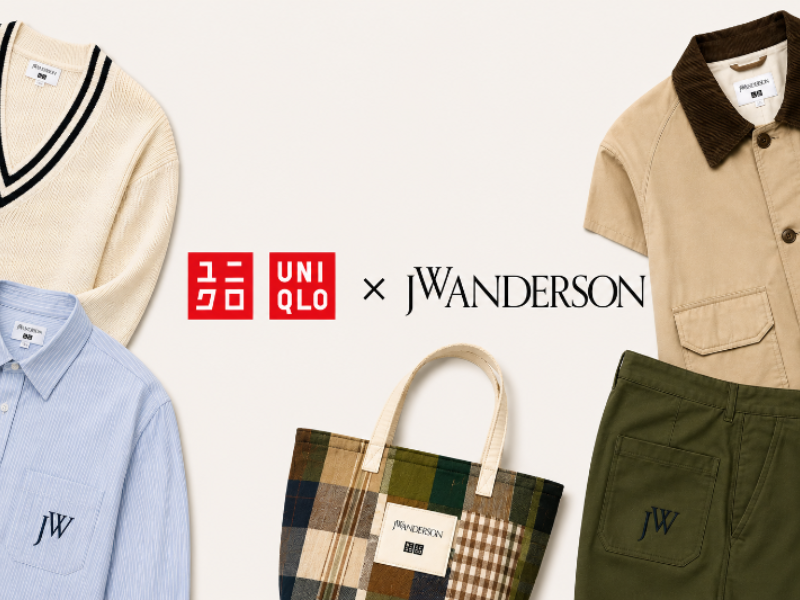
One example is the continued popularity of Uniqlo x JW Anderson. Unlike collaborations built around hype, logos or overt luxury cues, the collection feels noticeably restrained. The pieces are understated, wearable and practical. Branding is subtle. The appeal lies less in being visibility expensive and more in signally taste via quiet design cues.
As Lifestyle Asia has argued, Uniqlo x JW Anderson has helped redefine what “quiet luxury” looks like today. It is no longer about expensive labels or inaccessible price points. Increasingly, it is about intention, cut, detail and everyday wearability: a well-cut Oxford shirt, a knit that feels both nostalgic and modern, or pieces that slip easily into daily wardrobes while gently elevating them. (Lifestyle Asia)
That is what makes the collaboration interesting. On paper, it should almost be too quiet to generate strong emotional demand. Yet it continues to resonate. The more useful question, then, is not simply why younger consumers want designer fashion at accessible prices; but why this particular form of aspiration feels so relevant now.
The answer lies in a broader behavioural shift in how consumers signal identity and status.
From Signalling Wealth to Signalling Taste
Traditionally, luxury products functioned as economic signals. They communicated purchasing power, exclusivity and access. Today that logic is becoming more complicated.
Millennials and Gen Zs are navigating a social environment shaped by economic uncertainty, rising living costs, social media visibility and growing sensitivity towards overt displays of wealth. Younger consumers are still highly exposed to global fashion culture through TikTok, Instagram, K-pop influences and international lifestyle content. They still seek elevation, self-expression and social recognition.
But the signal has changed.
In many urban circles, overt luxury can feel too loud, too performative or out of step with the times. Young consumers want to appear stylish and culturally aware, but not wasteful or arrogant. They want elevation, but they also want relatability.
This is where Uniqlo x JW Anderson fits well.
From a behavioural science perspective, signalling theory helps explain the appeal. Consumers use products not only for functional utility, but also to communicate identity and social positioning. Historically, luxury logos signalled affluence and social mobility. Today, understated design can signal something different: taste.
Wearing Uniqlo x JW Anderson does not say “I can afford luxury”. Rather, it says “I understand style.”
That distinction matters. The signal is more controlled, more socially acceptable and lower risk. It communicates cultural awareness without looking like obvious status-seeking.
The Rise of “Safe Aspiration”
This is especially relevant in Southeast Asia’s urban middle-class culture, where aspiration is often carefully negotiated against values of practicality, financial sensibility and social relatability. Younger consumers are increasingly drawn towards forms of aspiration that feel emotionally controlled and justifiable.
Unlike traditional luxury purchases, Uniqlo x JW Anderson provides that “permission structure”. The pieces are versatile, wearable, timeless and useful in everyday life. hey can be rationalised as smart style choices rather than indulgent luxury purchases.
Lifestyle Asia makes a similar point in describing the collaboration as part of the appetite for “elevated essentials”: garments designed not for a single season, but for repeated wear, re-styling and long term appreciation (rather than excess). (Lifestyle Asia)
This matters behaviourally. Consumers are far more comfortable making aspirational purchases when they can rationalise them logically. The collaboration delivers symbolic elevation while allowing consumers to preserve a self-image of being sensible.
In this sense, Uniqlo x JW Anderson does not imitate luxury, it reframes aspiration into something more socially manageable.
This is safe aspiration is status without obvious showing off. It is design credibility without luxury guilt.
Fashion as Social Belonging
The collaboration also works as a signal of belonging.
Social identity theory suggests that consumers buy products not only to express individuality, but also to align with groups they admire. For many younger Southeast Asian consumers, desirable identities are increasingly built around being design and culturally aware, globally connected, aesthetically literate and effortlessly stylish.
Uniqlo x JW Anderson gives consumers access to that identity without requiring full luxury consumption. They are not simply buying clothes. They are buying into a cultural world associated with thoughtful design, modern aesthetics and global fashion awareness.
Jonathan Anderson’s role is central here. His British design codes, from Oxford shirts to preppy silhouettes and genderless outerwear, are filtered through Uniqlo’s clean, modern lens. The result is not high fashion simply made cheaper. It is everyday clothing with design nuance.
Over time, this has helped shift perceptions of Uniqlo itself. As Lifestyle Asia notes, Anderson has helped move Uniqlo from being seen mainly as a utilitarian basics brand towards a brand with stronger cultural relevance, with fashion insiders anticipating drops and analysing lookbooks in ways usually reserved for runway collections. (Lifestyle Asia)
This builds on Uniqlo’s broader strategic strength. In our earlier article, How Uniqlo Won by Redefining Fashion as Life Technology, we argued that Uniqlo won by stepping outside the fashion trend cycle and grounding its proposition in everyday human needs: comfort, climate adaptation, simplicity and repeatability. The JW Anderson collaboration does not reject LifeWear; it adds a layer of cultural meaning to it.
That is the key strategic point. Uniqlo’s foundation remains usefulness. But through collaborations like JW Anderson, usefulness becomes more culturally expressive.
Beyond Fashion: A Broader Shift in Aspiration
The success of Uniqlo x JW Anderson reflects a wider shift in aspiration. Across categories, younger consumers are drawn to products and experiences that feel elevated without appearing excessive. This can be seen in premium cafés, affordable wellness, beauty “dupes”, elevated basics and design-led everyday goods.
Young consumers are not abandoning status; they are refining how they signal it.
This is why the collaboration feels contemporary. It blurs the line between high fashion and high street without making the brand louder. Jonathan Anderson has not made Uniqlo more flamboyant. He has made it feel smarter.
For brands, the lesson is clear. Aspiration today does not always belong to the loudest, most exclusive or most expensive brands. Increasingly, it belongs to brands that help consumers feel subtly elevated, culturally in tune and socially credible.
Because increasingly, status is no longer just about being seen with expensive things. It is about signalling the right kind of identity, with as little friction as possible.
Looking Beyond What Consumers Buy
At Illuminate Asia, we help brands understand not just what consumers are buying, but why certain products and experiences feel aspirational in the first place. By uncovering the behavioural tensions shaping identity, status and modern consumption, we help brands build strategies grounded in how consumers actually navigate today’s social world.
If you are looking to better understand evolving consumer behaviour across Asia, reach out to us at info@illuminateasia.com.
FAQs
1. Why does Uniqlo x JW Anderson resonate with Southeast Asian Millennials and Gen Zs?
Because it offers aspiration without feeling loud, wasteful or overly status-driven. The collaboration allows younger consumers to signal taste, style and cultural awareness while still feeling practical and relatable.
2. What does “safe aspiration” mean?
“Safe aspiration” refers to products that feel elevated, but still socially and financially justifiable. In this case, Uniqlo x JW Anderson offers design credibility without the guilt or social risk often associated with traditional luxury.
3. How does signalling theory explain the appeal of Uniqlo x JW Anderson?
Signalling theory suggests that consumers use products to communicate identity and social positioning. Here, the signal shifts from “I can afford luxury” to “I understand style.”
4. How does social identity theory apply to this collaboration?
Social identity theory helps explain how consumers use fashion to align with groups they admire. Uniqlo x JW Anderson lets consumers participate in a design-aware, globally connected and culturally fluent identity without needing to buy into full luxury.
5. Is this just another example of quiet luxury?
Not exactly. Quiet luxury is part of the story, but the deeper shift is behavioural. The collaboration works because it makes aspiration feel useful, wearable and socially acceptable, not just understated.
6. What can brands learn from this?
Brands should not assume aspiration has disappeared. It has become more selective, more socially aware and more culturally coded. The opportunity lies in creating products and experiences that feel elevated without feeling excessive.
References
- Illuminate Asia, How Uniqlo Won by Redefining Fashion as Life Technology, February 2026. https://www.illuminateasia.com/blog/articles/detail/how-uniqlo-won-by-redefining-fashion-as-life-technologyhttps://www.illuminateasia.com/blog/articles/detail/how-uniqlo-won-by-redefining-fashion-as-life-technology
- https://hypebae.com/id/2026/2/uniqlo-jw-anderson-collaboration-ss26-campaign-release-date
- https://www.tiktok.com/@ahiranata/video/7458361853308095751?q=uniqlo%20jw%20anderson%20pov&t=1779338301399
- · https://www.tiktok.com/@_kobisaya/video/7588536463222967573?q=uniqlo%20jw%20anderson%20pov&t=1779338301399
- Lifestyle Asia. “How Jonathan Anderson turned Uniqlo from basics to cult status”, 25 February 2026. - https://www.lifestyleasia.com/kl/style/fashion/how-jonathan-anderson-turned-uniqlo-from-basics-to-cult-status/
- L’Officiel Malaysia, “The UNIQLO x JW Anderson SS2026 collection serves quiet luxury, minus the hefty price tag”, 26 February 2026. https://www.lofficielmalaysia.com/fashion/uniqlo-and-jw-anderson-spring-summer-2026-collection-quiet-luxury
- Uniqlo official collection page, which describes the SS2026 collection as “Prep meets play”, inspired by British water sport, spring/summer ease, playful layers and pops of colour. https://www.uniqlo.com/eu-gr/en/men/special-collaboration/uniqlo-and-jw-anderson