

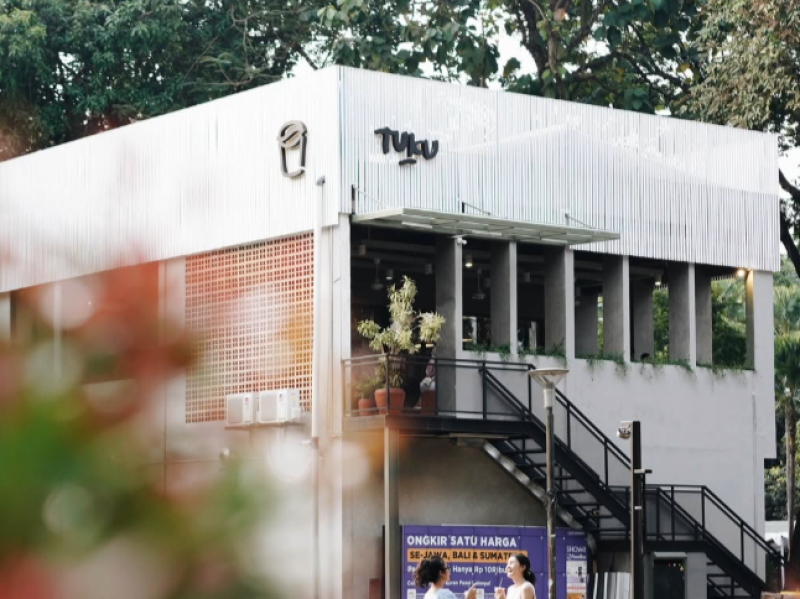
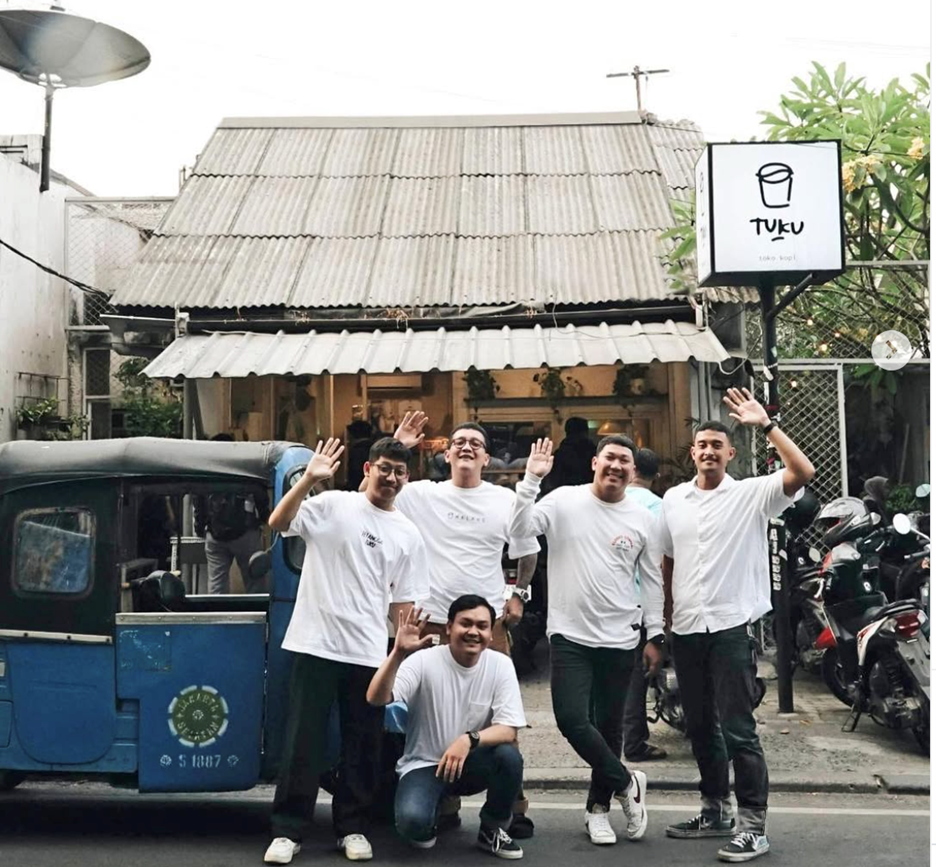
Source: Tuku Instagram @tokokopituku
Key Takeaways
- The Landscape: Indonesia’s coffee market is saturated with aggressive marketing, constant collaborations, and trend-chasing.
- The Tuku Difference: Kopi Tuku defies this pattern by growing quietly and authentically, cultivating massive loyalty.
- The Drivers: Their success is built on a clear purpose, cultural connection, community-led growth, and sincerity not relying on promotions or gimmicks.
Introduction
Over the past decade, Indonesia’s coffee industry has experienced rapid growth, birthing countless new brands across the country. The market is fiercely competitive, and to survive, many competitors pursue rapid expansion, relying heavily on gimmicks and flashy collaborations to grab attention. Yet, Kopi Tuku takes a different path. By doing less "marketing" and avoiding gimmicks, they have managed to build a stronger brand and win deeper customer loyalty.
How do they do it? Here are the four key pillars of their strategy.
1. A Community-Driven Brand Promise
According to Simon Sinek, a strong brand starts with a clear "WHY." For Kopi Tuku, this "why" was established in 2008 when the business began as a college project by Andanu Prasetyo. His mission was simple: to serve the community and uplift local Indonesian coffee.
This purpose dictates their operations — from staying physically close to their neighborhoods, listening and collaborating with stakeholders, and focusing on community sustainability.
When their first store opened in Cipete, South Jakarta, in 2015, it became an instant hit. This wasn't just because of their signature Es Kopi Susu Tetangga (Neighbor’s Iced Coffee Milk) made from a blend of Indonesian Arabica beans and palm sugar—but because of their philosophy of "Bertetangga Baik" (Being Good Neighbors).
Authenticity is the core of their emotional appeal. Even the recipe for their signature drink was developed through feedback from the surrounding Cipete community. Their product (the WHAT) is a direct, honest expression of their community-first purpose (the WHY).
2. Community-Led Expansion as a Growth Model
As Kopi Tuku grew, it expanded to multiple cities across Indonesia without adopting a franchise model. This ownership structure allows them to ensure consistent quality and maintain a close connection to local culture.
Remarkably, new locations are often chosen based on recommendations from loyal customers, affectionately known as "Tetangga Tuku" (The Neighbors of Tuku).
The brand also deeply embraces the Indonesian value of "Semangat Gotong Royong" (the spirit of mutual cooperation). This is evident not only in how they engage customers but in their supply chain. Tuku collaborates directly with local farmers—such as those in Aceh and Garut—and uses locally sourced ingredients like palm sugar to support farmer welfare and sustainable agriculture.
While competitors chase trends and rapid franchising, Kopi Tuku grows slowly and purposefully, grounded in its original mission of Indonesian pride.
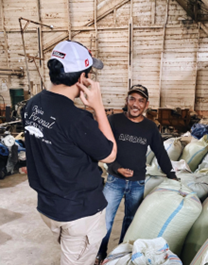
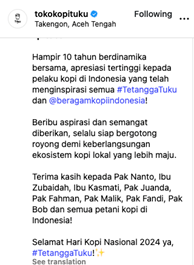
Kopi Tuku celebrates and uplifts Indonesian coffee farmers. They are recognising nearly a decade of shared effort, mutual support, and mutual connection that strengthens the local coffee ecosystem and inspires the entire Tuku community.
3. Communicating Through Storytelling, Not Noise
Kopi Tuku’s communication strategy prioritizes human connection over marketing noise. A look at their Instagram reveals that they use social media as a storytelling space rather than a promotional channel. You won't find paid influencers, flashy editing, or aggressive discounts. Instead, they document behind-the-scenes moments, highlighting staff, baristas, customers, and local neighborhood stories.
Their tone is warm and friendly, speaking to the audience as if they were actual neighbors. By spotlighting people instead of promotions, they signal humility and build trust. The result is a brand that thrives through emotional closeness rather than attention-grabbing campaigns.
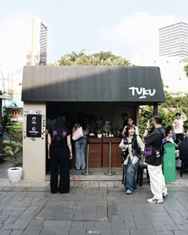
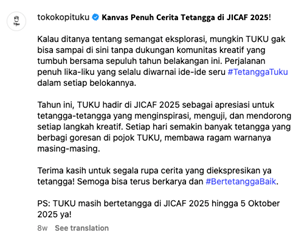
Kopi Tuku uses its presence at JICAF 2025 as a tribute to the creative community that has supported and inspired them for the past decade, inviting neighbours to express their stories on TUKU’s “creative canvas” and celebrating the spirit of exploration and #BertetanggaBaik.
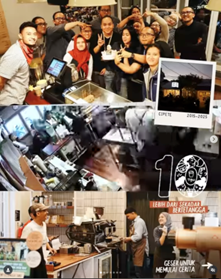
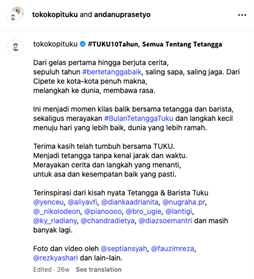
A heartfelt 10-year reflection where TUKU celebrates its journey with neighbours and baristas—honouring shared stories, community warmth, and the spirit of growing together from Cipete to the world.
4. Turning Public Spaces into Symbols of Belonging
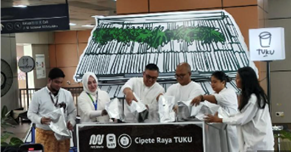
In January 2025, Kopi Tuku secured the naming rights for the MRT Cipete Raya TUKU station. Rather than treating this as a corporate branding exercise, Tuku framed the milestone as a collective emotional achievement for the local community. As owner Andanu Prasetyo shared, "After six years of striving together... accompanied by the prayers of many #TetanggaTuku, this dream has finally come true... We were given the opportunity to create a symbol of our journey here."
By positioning the MRT naming as a communal milestone, Tuku transformed a business decision into a story of place, memory, and collective progress.

Why This Matters for Marketers & Business Leaders
Kopi Tuku’s journey proves that authenticity is not a trend—it is a competitive advantage. Modern consumers, particularly in Southeast Asia, crave sincerity over spectacle. They gravitate toward brands that feel human, purpose-driven, culture-aligned, and community-minded.
What does this mean for your brand?
Your next breakthrough might not require more noise, but rather more authenticity.
At Illuminate Asia, we help organizations uncover these deep cultural truths and translate them into actionable brand strategy, communication, and innovation. Reach out to us for human-centered insights, ethnography, semiotics, and strategy grounded in Southeast Asian cultural understanding.
Frequently Asked Questions (FAQ)
Q: Why is Kopi Tuku considered a purpose-driven brand?
A: Because the brand began with a mission to serve neighborhood communities and uplift Indonesian coffee farmers, rather than just selling beverages. This "WHY" is embedded in everything from their product development to their location strategy.
Q: How does Kopi Tuku maintain quality without franchising?
A: They grow slowly and deliberately. Each new store is opened by the company itself, not franchisees, allowing them to strictly maintain standards, culture, and local roots.
Q: How does Tuku’s social media differ from most coffee brands?
A: It is unpolished and devoid of heavy sales tactics or influencers. Their content focuses on storytelling and people-centric moments that reinforce emotional closeness and authenticity.
Q: What role does "Semangat Gotong Royong" play in the brand?
A: It is the cultural backbone of the company. Tuku grows with the community, not on top of it, expressing collaboration, humility, and shared progress.
Resources / References:
- Kopi Tuku Official Instagram: @tokokopituku
- Sinek, Simon. Start With Why: How Great Leaders Inspire Everyone to Take Action. Portfolio, 2009.
- Inventure.id - Strategi Unik Kopi Tuku.
- Tempo.co - Cara Toko Kopi Tuku Menjual Kopi Ramah Lingkungan.
- Kompas.id - Pertanian Berkelanjutan dalam Secangkir Kopi.
- Sinarharapan.co - MRT Jakarta Gandeng Kopi Tuku.