

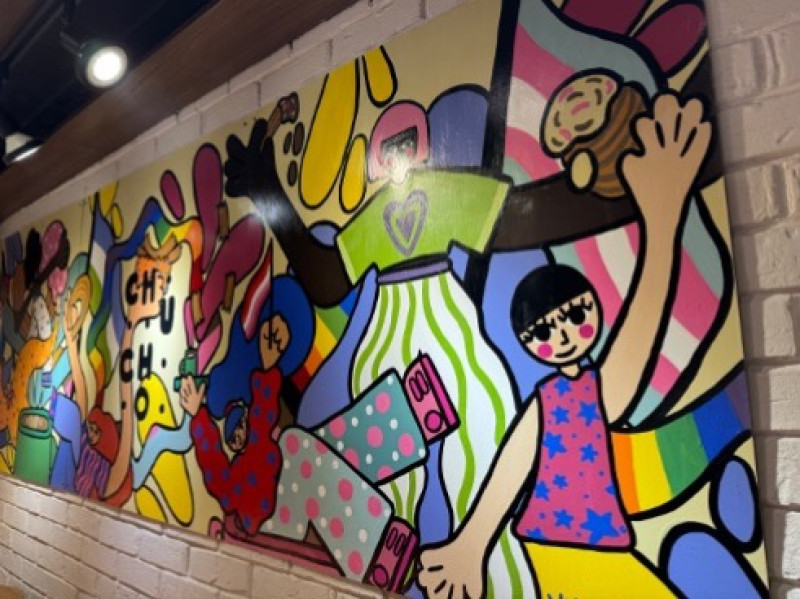
Summary: From Mexico’s vibrant streets to Southeast Asia’s complex cultural landscapes, this piece reflects on what anthropology brings to modern insight work — why curiosity, empathy, and immersion remain essential, and how Illuminate Asia uses these human approaches to decode culture in a fast-moving digital world.
Key Takeouts:
- Anthropology’s renewed relevance: In an AI-driven world, human understanding comes not from faster data, but from deeper observation.
- Ethnography as a mindset: It’s not just about fieldwork — it’s about seeing before interpreting, and slowing down enough to notice meaning.
- The IRIS anthropology workshop: Observing without questioning revealed how differently people perceive the same reality — and how insight starts with attention.
- Adapting to Southeast Asia: Barriers like hierarchy and sensitivity can be bridged with thoughtful pairing, digital ethnography, and cultural mirroring.
- Illuminate Asia’s role: We blend anthropology’s depth with technology’s scale to help brands across Southeast Asia understand people’s real lives — what they do, and why they do it.
Learning to See Again: An Anthropological Walk Through Mexico City
On 16-18 October 2025, I joined our bi-annual IRIS Global Network meeting in Mexico City — a gathering of independent insight agencies from around the world. The meeting began not with presentations, data decks, charts or strategy; but with an anthropology workshop. Before any formal sessions, we stepped outside into the city itself.
Armed with notebooks and cameras, we explored the streets of Mexico City through an anthropologist’s lens — absorbing colours, sounds, smells, tastes and textures; the pulse of a city that never hides its rhythm. It was a reminder of how much we can learn simply by being present: by watching, listening, and sensing before asking or analysing.
We reconnected with what contemporary ethnography really means — the art of reading urban spaces, noticing invisible cultural patterns, and building hypotheses from lived moments rather than from behind a desk.
Why Anthropology Matters (Especially Now)
Anthropology is finding new relevance; not out of nostalgia, but out of necessity. In an age where AI can map patterns faster than any human, understanding why people act, desire, and connect still demands what technology cannot replicate: presence, deep listening, and empathy.
The future of insight lies in the coexistence of ethnography and technology. When paired thoughtfully, they complement each other; digital tools help us capture more data, but ethnographic thinking helps us read meaning within it.
The Exercise — Seeing With All Senses
Our group of four was assigned to the Zona Rosa of Mexico City, a neighbourhood that hums with colour and contradictions. The brief was simple but demanding: observe, don’t ask. Notice, don’t explain. Record with your senses — sight, sound, smell, touch, taste — and resist the urge to interpret too soon.
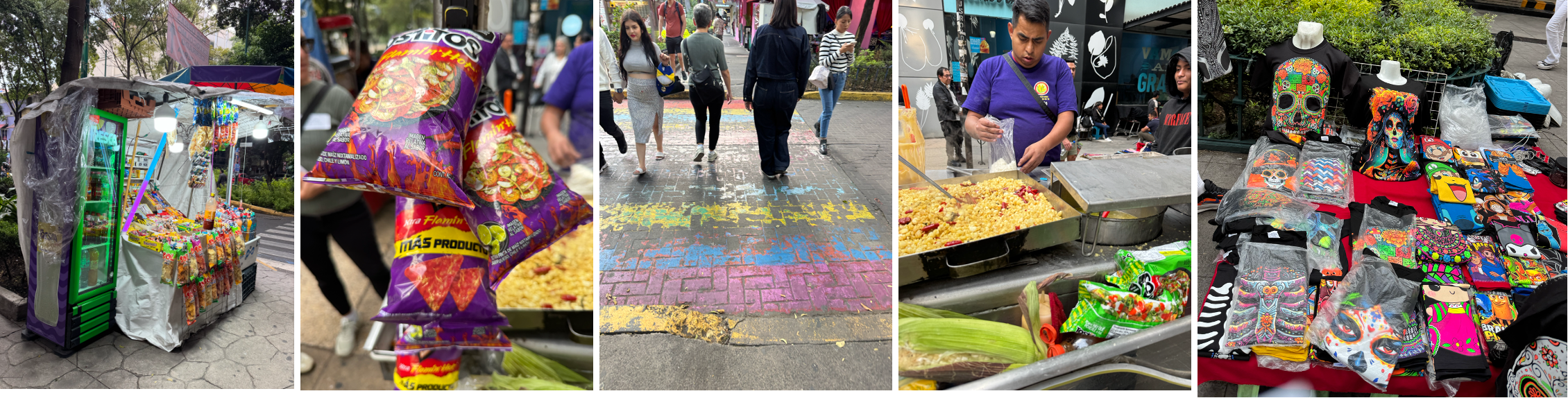
For forty-five minutes we walked without destination, just letting the city speak. The pink walls, the scent of fried corn and exhaust fumes, the rhythm of traffic horns against bursts of laughter from cafés. Vendors shouting, music clashing from competing bars: life layered and overlapping
Back at the workshop space, we turned these fragments into short ethnographic journals. Comparing notes later, we saw how differently we each had “heard” the same street. Our lesson from this group work was that ethnography isn’t about finding a single truth, but about widening your field of vision.
Out there, on the streets, our curiosity was the key – it made us look longer, listen harder, and notice what’s normally edited out: how people move around each other, how colours signal belonging, how public space tells quiet social stories. Ethnography, at its best, doesn’t just describe life; it sharpens our ability to see it. 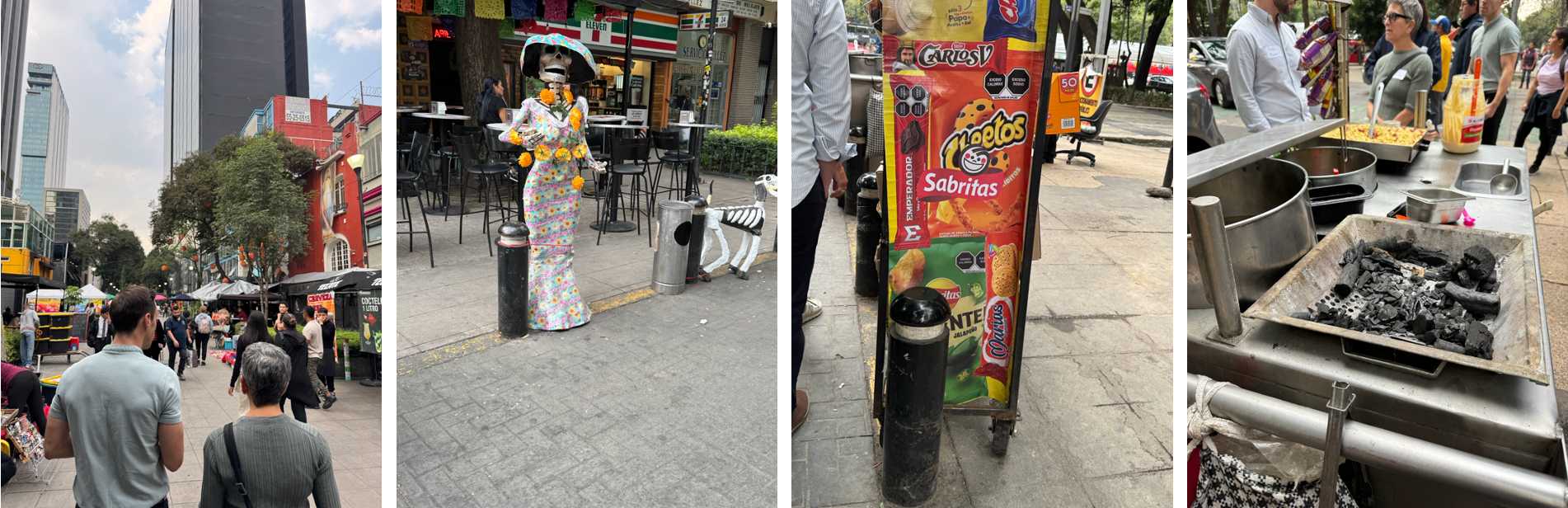
Translating Ethnography to Southeast Asia
When considering the Southeast Asian context, the streets look different, the rhythms faster, the layers thicker — but the principle holds. To truly understand how people live, choose, and adapt, we have to meet them where life actually happens. But still, there can be some challenges:
- Sensitivity. Some topics such as personal care, intimacy, alcohol remain difficult to discuss openly. Here, digital ethnography can help: online diaries, self-recorded videos, and wearable tech offer privacy that encourages honesty.
- Hierarchy. Social class, gender, and age differences shape how freely people express themselves. We’ve learned the importance of mirroring; matching researchers and participants in tone, background, and approach to level the conversation.
- Access. People’s real worlds may be reflected at a street stall, a WhatsApp group, or a TikTok feed. Ethnography today means following those paths, to be present where our targets are; physically or digitally.
- Practicality. Budgets and timelines will always challenge immersion. Yet even a short, well-designed observation can reveal what long surveys miss: the silent habits, the gestures, the contradictions.
In fast-growing, tech-saturated markets like ours, the temptation is to move ever faster, to measure before we see. But anthropology reminds us to pause; to let context speak first, and data follow.
Closing Reflections
The streets of Mexico were a timely reminder that insight begins with attention. Algorithms can detect correlations, but they can’t smell fried corn dough, feel humidity on the skin, or sense when a passer-by hesitates before entering a shop. Those moments of presence are where empathy and understanding take root.
In Southeast Asia, our challenge is to carry that same attentiveness into the spaces where people actually live their lives - on crowded sidewalks, online chats, inside family routines. Ethnography gives us the frame; to help us see both the detail and the pattern, the story and the system.
At Illuminate Asia, this is what we do: combine anthropology’s human depth with technology’s scale. From Jakarta to Ho Chi Minh City, we help brands look beyond the numbers; into the real rhythms of human behaviour. Whether through immersive fieldwork or digital ethnography, our goal is to uncover how culture, emotion, and context shape what people do and why they do it.
Contemporary ethnography isn’t about romanticising the field—it’s about staying human in the age of automation. Observing the world not to freeze it, but to keep learning how it moves
FAQs :
Q: Why is anthropology relevant in the age of AI?
A: Because AI can analyse patterns, but it can’t sense meaning. Anthropology keeps us connected to lived experience — the texture, emotion, and context behind data points.
Q: How does ethnography fit into modern market research and insights world?
A: Ethnography expands research beyond interviews and surveys. It immerses us in real environments, helping uncover unspoken motivations and cultural nuances that drive decision-making.
Q: Can ethnography and technology work together?
A: Yes — digital tools such as mobile diaries, wearables, and online ethnography extend the reach of fieldwork, but they’re most powerful when combined with human observation and interpretation.
Q: What makes ethnographic work challenging in Southeast Asia?
A: Hierarchies, privacy sensitivities, and diverse cultural norms can limit openness. Using matched researchers, digital anonymity, and culturally attuned methods helps overcome these barriers.
Q: What’s the main takeaway from the Mexico City workshop?
A: That insight begins with presence. Walking the streets and observing without agenda reminded us that human curiosity is still the most advanced research tool we have.