

Summary:
- Hyrox culture has turned tactical backpacks into a new white-collar status symbol, shifting them from military utility to premium fitness identity.
- Rugged design cues such as oversized compartments, MOLLE-style detailing, and durable materials now signal discipline, discretionary income, and elite leisure. Patches and velcro panels transform the bag into a portable identity system, allowing athletes to display achievement, belonging, and personal status within the fitness tribe.
- The appeal is less about practical need and more about buying into a myth of preparedness, controlled hardship, and high-performance self-optimisation.
- For brands, the trend shows how cultural insight can reveal why ordinary objects become powerful signals of aspiration, identity, and modern status.
The Luxury of Sweat: How Hyrox Turned Military Gear Into a White-Collar Status Symbol
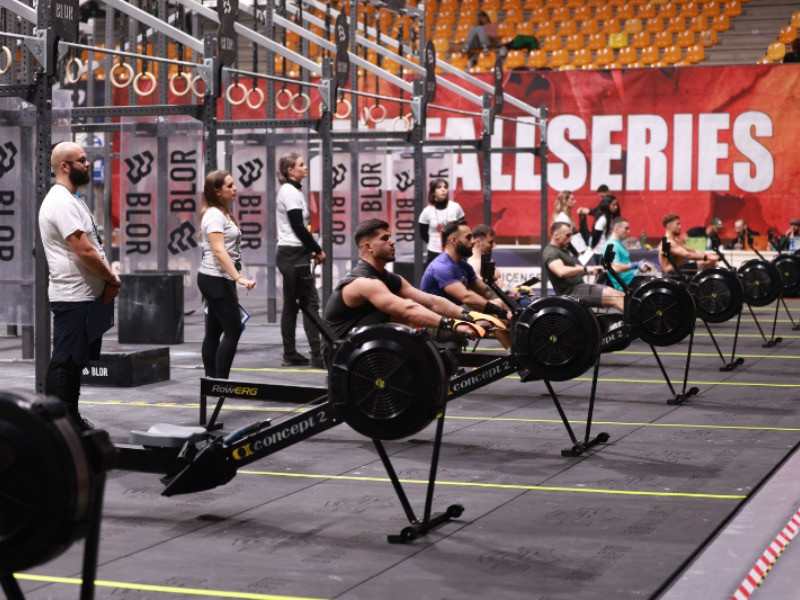
To the uninitiated, the scene inside a major convention centre during a Hyrox race looks like a crossover between a cross-training sweat-fest and a tactical military deployment. Thousands of fitness enthusiasts push heavy sleds, lug sandbags, and sprint across concrete floors.
But look closer at the transitions, the bag checks, and the post-race recovery zones. You will notice a sea of premium, oversized, ultra-durable tactical backpacks. Brands like Built for Athletes, with prices easily crossing the $180 USD mark, have become the unofficial uniform of the global Hyrox phenomenon.
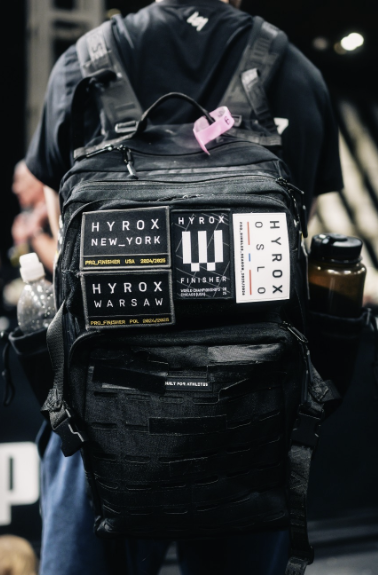
From a semiotic perspective, this isn’t just a spike in sports manufacturing; it is a fascinating case of re-semantisation. The fitness industry has successfully hijacked the visual language of military survivalism and repackaged it as the ultimate luxury status symbol for the urban elite.
From Battlefield to Boardroom
In the lexicon of semiotics, every object is split into a signifier (the physical object) and a signified (the mental concept or meaning attached to it).
Historically, a heavy-duty, multi-compartment backpack with MOLLE webbing and velcro panels carried specific meanings:
| Era / Context | The Signifier (The Bag) | The Signified (The Meaning) |
| Traditional Military | Tactical Backpack | Survival, active combat, state-sanctioned violence. |
| Modern Urban Fitness | Premium Hyrox Pack | Discretionary income, physical dominance, time wealth. |
By transplanting this rugged aesthetic into the world of mass-participation fitness racing, the meaning has shifted entirely. The modern professional doesn’t buy a $200 tactical bag to survive a desert deployment; they buy it to signal that they have the disposable income to afford premium hobbies and the "time wealth" to sculpt a high-performance body.
It is the commercialisation of hardship. In a world where comfort is cheap, artificial suffering, and the expensive gear that facilitates it, has become the new luxury.
The Velcro Billboard
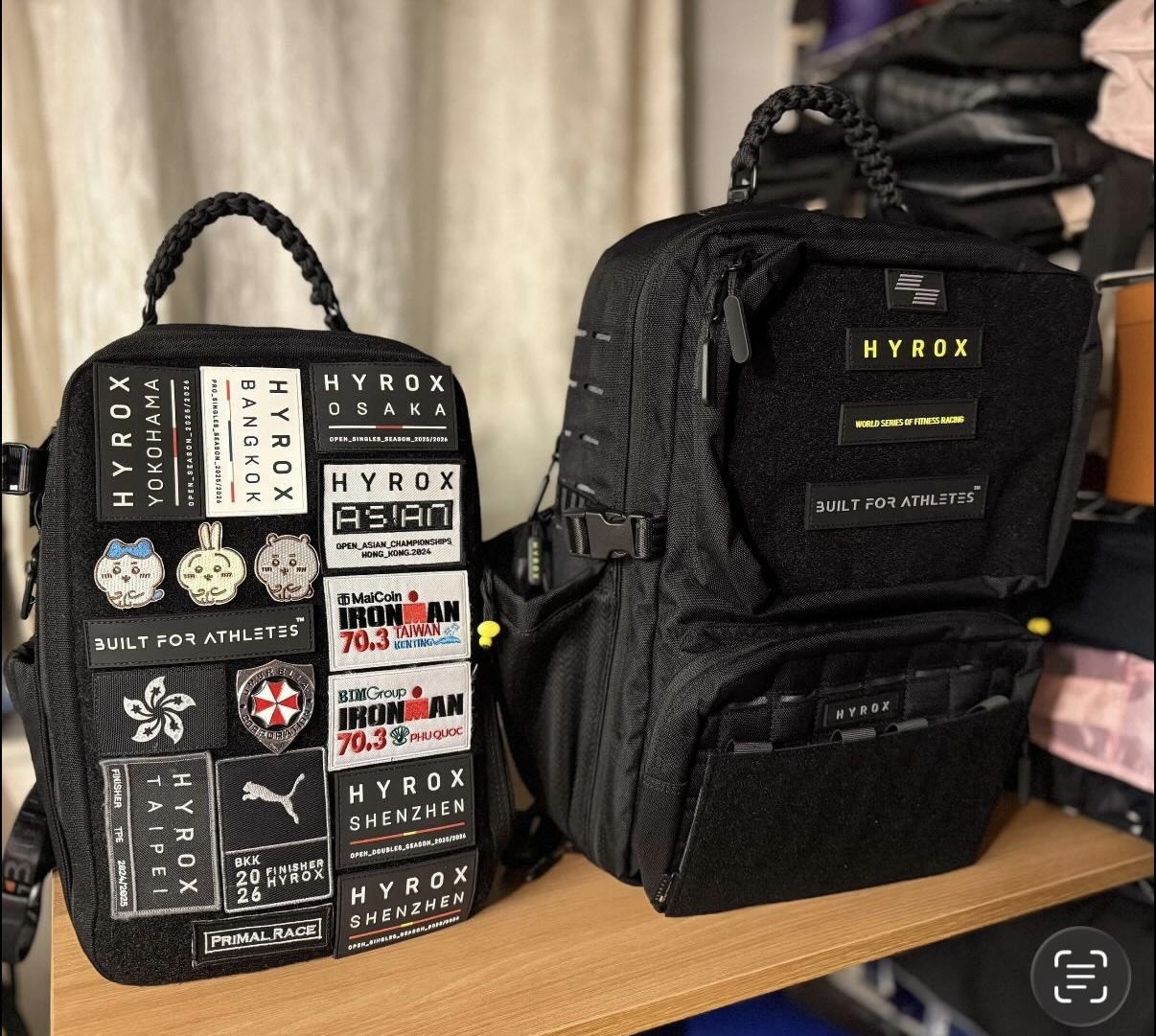
Perhaps the most potent semiotic tool on these luxury bags is the prominent use of velcro panels. In the military, these spaces are reserved for blood types, unit crests, and ranks. In the Hyrox subculture, they have been transformed into a highly curated "velcro billboard" of the self.
The Language of Patches: An athlete’s bag might feature a national flag, a personal record (PR) timestamp, a corporate run-club emblem, and a quote from Marcus Aurelius.
These patches function as a sophisticated code of intertextuality. To the average passerby on a commuter train, it’s just a messy backpack. But to fellow members of the fitness tribe, the bag reads like a LinkedIn profile of physical achievement. It allows white-collar professionals to communicate prestige, discipline, and inclusion in an exclusive fitness subculture without saying a single word.
The Mites of "Functional Overkill"
French theorist Roland Barthes famously wrote about how modern society creates "myths": taking a functional object and inflating it with grand cultural narratives. The luxury Hyrox bag is a textbook example of this functional overkill.
Logically, no one needs a laser-cut, waterproof, 50-litre ballistic nylon backpack to carry a shaker bottle, a change of clothes, and a pair of lifting straps into an air-conditioned stadium.
Yet, consumers happily pay a premium for it because they are buying into the Myth of Ultimate Preparedness. The bag projects an image that the owner is a modern warrior, ready to face extreme physical trials at a moment's notice. It lends an aura of grit and blue-collar toughness to people whose day jobs primarily involve spreadsheets and Zoom calls.
The New Executive Flex
For decades, the traditional executive status symbol was a luxury watch, a tailored suit, or a German sports car. But as workplace cultures modernised, the flex shifted. Today, corporate leaders and high earning professionals prefer to signal their status through physical optimisation and the high end consumer ecosystem that supports it.
The expensive Hyrox bag is the perfect vehicle for this. It tells the world that you aren't just rich; you are disciplined. You don’t just spend money; you spend sweat. By turning the rugged utility of the soldier into a lifestyle accessory for the affluent, fitness brands have successfully monetised the ultimate modern luxury: the illusion of being unbreakable.
If you are seeing shifts in your category but are not yet sure what they mean, Illuminate Asia can help decode the cultural signals behind emerging consumer behaviour. We work with brands to uncover the deeper meanings driving trends, identify future opportunities, and translate cultural insight into sharper strategy, positioning, and innovation direction. To explore how we can support your next brand, consumer, or foresight challenge, contact info@illuminateasia.com.
FAQ
- What does this Hyrox backpack trend reveal about consumer culture?
The Hyrox backpack trend shows how consumers use functional objects to communicate identity, discipline, achievement, and social belonging. A tactical-style backpack is no longer just a storage item; in this context, it becomes a cultural signal of performance, resilience, and premium leisure. - Why is semiotics useful for understanding fitness and lifestyle trends?
Semiotics helps brands decode the hidden meanings attached to objects, rituals, and visual codes. In fitness culture, this means understanding why certain products become badges of discipline, status, aspiration, or tribe membership, even when their practical function is relatively simple. - How can brands use cultural insight to identify emerging trends?
Brands can use cultural insight to look beyond surface-level behavior and identify the meanings that make a trend spread. By studying symbols, language, rituals, communities, and category myths, brands can detect early signals of change before they become mainstream market behaviour. - What is the role of foresight in interpreting trends like Hyrox?
Foresight connects today’s weak signals with tomorrow’s strategic opportunities. A trend like Hyrox is not only about fitness; it also points to broader shifts in status, masculinity, wellness, achievement culture, urban affluence, and the desire for controlled hardship in comfortable societies. - Why should companies work with Illuminate Asia on cultural insight, trends, and foresight?
Illuminate Asia helps organisations understand not only what consumers do, but why their behaviour makes cultural sense. Through cultural insight, semiotic analysis, trend interpretation, and foresight thinking, Illuminate Asia helps brands identify emerging meanings, sharpen positioning, and anticipate the next sources of consumer value.
Resources