


- This article is part of the “Seeing What Others Don’t” Series
- Liquid Death has experienced enormous success in America, not by improving water itself, but by changing the cultural meaning attached to it. Founder Mike Cessario identified a hidden tension: people wanted healthier choices without compromising the identity they projected in social spaces.
- By adopting the visual language of heavy metal, skateboarding, and adjacent categories (energy drinks/beer), Liquid Death transformed water from a functional product into a cultural signal. The brand unlocked new consumption occasions for water, including bars, music festivals, and nightlife environments where traditional bottled water felt socially out of place
- Liquid Death’s communication strategy relied heavily on earned attention, provocative humour, and culturally disruptive collaborations rather than traditional advertising.
- The brand demonstrates how even highly commoditised categories can grow by reframing identity, symbolism, and cultural relevance rather than focusing solely on product innovation.
The Category Trap: How Liquid Death Reframed Water
For decades, the bottled water industry has been defined by the same tired marketing playbook: purity, minimalism, pristine mountains, gushing springs. Legacy giants like Dasani and Aquafina treat water as a functional necessity, and the logic holds: no rational consumer pays a premium for something available at a fraction of the cost in taps across the developed world. The result was a stagnant category with low emotional engagement, one that never developed the cultural edge found in craft beer, energy drinks, or even junk food.
The Human Insight Behind Liquid Death Brand Evolution
Liquid Death did not become a billion-dollar brand by selling “better” water. The brand succeeded by understanding something most bottled water companies had overlooked: hydration is also performative
The breakthrough came from a simple observation by founder Mike Cessario backstage at the Vans Warped Tour in Denver in 2009. He noticed rock musicians sitting outside their tour buses drinking from cans that looked like Monster Energy. But on closer inspection, the cans actually contained still water provided by the festival to keep performers hydrated while protecting sponsor image requirements.
The scene revealed a powerful cultural tension. Musicians and fans wanted to stay healthy, but carrying a standard plastic water bottle felt completely out of place within a heavy-metal environment built around rebellion, edge, and identity. That insight became the foundation of Liquid Death. People do not just choose drinks for hydration; they choose them to signal who they are, the culture they belong to, and how they want to be seen.
The Lateral Move: Packaging as Rebellion
Cessario’s answer was to reframe water through the lens of entertainment and rebellion. Out went the clear plastic bottles; in came 500ml aluminium tallboy cans with the look of craft beer or energy drinks. Soft blue mountain ranges were replaced with a burning skull logo and the tagline ‘Murder Your Thirst’.
This shift moved the product away from the wellness shelf and reframed it as a cultural and identity-driven brand, not just a functional beverage.. By adopting the visual language of underground music and skate culture, Liquid Death gave consumers genuine social currency: a way to hold a water at a gig or bar without feeling like an outsider.
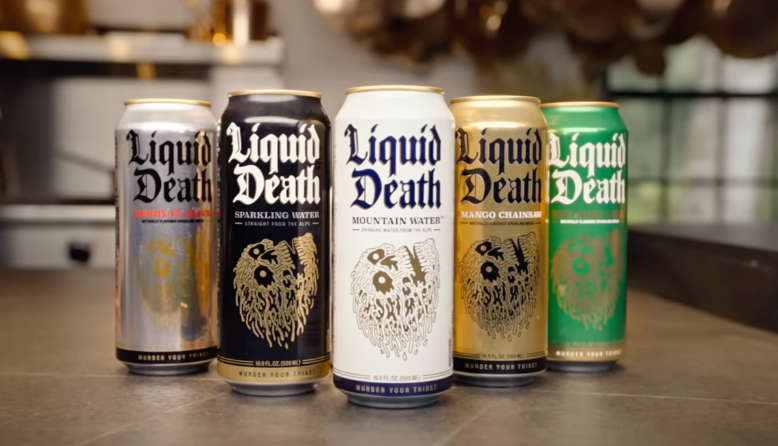
Why It Worked: Unlocking Mew Social Occasions and Creating Cultural Currency Through Product & Communication
The strategy opened up occasions that traditional water brands had never accessed. Looking like an energy drink or beer, Liquid Death became a credible option in bars, clubs, and at music festivals in America; places where pulling out a plastic bottle had always felt awkward. Its appeal was surprisingly broad: younger consumers loved the irreverent humour, while parents were quietly relieved their children were reaching for water instead of energy drinks or alcohol.
The marketing approach, run like a comedy writers’ room, consistently chose earned attention over paid advertising. The clearest example is the 2022 collaboration with Martha Stewart, which produced the ‘Dismembered Moments’ luxury candle — a life-sized severed hand clutching a can of Liquid Death, sold for $58 on Martha.com. The campaign worked precisely because of the tension it exploited: Stewart’s wholesome domestic image colliding head-on with Liquid Death’s macabre aesthetic. It earned press coverage that no media budget could have bought, and demonstrated how the brand could extend its cultural reach well beyond the heavy-metal crowd.
Earlier stunts, such as skateboards painted with Tony Hawk’s blood, pointed in the same direction — but the Stewart collaboration showed the concept could stretch into entirely unexpected territory.
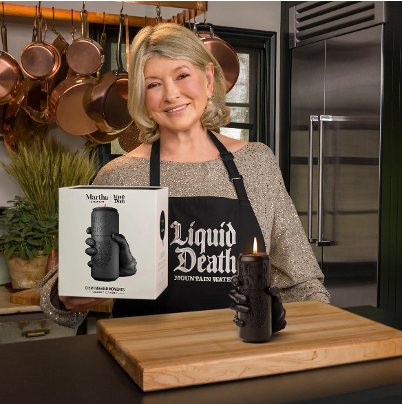

What Brands Can Learn: Changing Meaning Over Product
Liquid Death reaching a $1.4 billion valuation by March 2024 is a reminder that even the most commoditised categories contain latent cultural tensions waiting to be unlocked. Sustainable growth does not always require a new formula. It can come simply from reinterpreting what a product means in someone’s life. When a brand embeds itself within a culture and speaks to a genuine emotional need, its value stops being about the product and starts being about what that product says about you.
The Ultimate Sign of Success: The Copycats Arrive
The cultural impact of Liquid Death can also be seen in the wave of imitators that have emerged in its wake. Brands such as Bloody Water have adopted remarkably similar cues: aggressive taglines, dark visual aesthetics, irreverent humour, and canned water positioned more like beer or energy drinks than traditional bottled water. Bloody Water’s slogan, “Drink or Die!”, echoes Liquid Death’s “Murder Your Thirst” playbook almost directly. The emergence of copycat brands highlights how successfully Liquid Death reframed the category, not just as hydration, but as a form of identity and cultural expression.
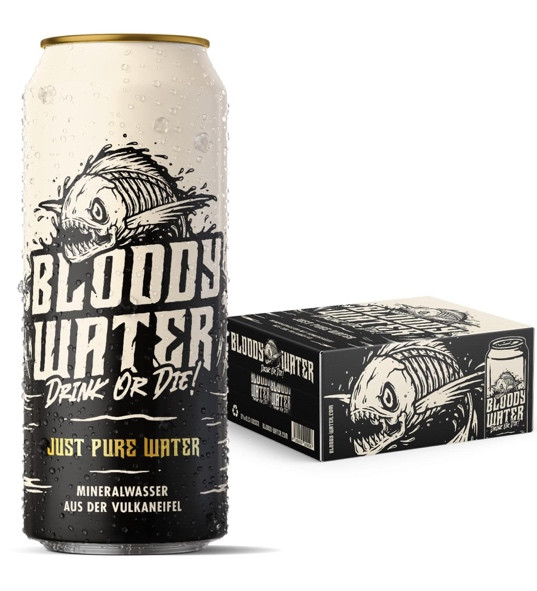
A Reminder That Cultural Context Matters; Liquid Death Didn’t Translate as well in the UK
While Liquid Death became a cultural phenomenon in the US, its more muted reception in the UK is a reminder that disruptive branding does not travel universally. Much of the brand’s success in America was tied to a very specific cultural context: larger anti-establishment identity signalling, weaker trust in tap water in some regions, and a consumer culture that often rewards louder, more performative branding. In the UK, however, the same heavy-metal aesthetic and exaggerated rebellious tone appears to have felt somewhat forced or overly self-conscious. Combined with pricing pressures,, confusion around the product itself, and weaker grassroots cultural adoption, the brand struggled to build the same sense of relevance or cult-like belonging.
Where Illuminate Asia Fits In
We specialise in uncovering the human and cultural truths that allow brands to reframe stagnant categories. Whether you are trying to escape a category trap or unlock occasions competitors have overlooked, our team uses deep in-context research across South-East Asia to help you see what others miss. Get in touch: info@illuminateasia.com
FAQs
1. What made Liquid Death different from traditional bottled water brands? Unlike traditional bottled water brands that focused on purity and wellness, Liquid Death positioned water as a cultural and identity-driven product. Its branding borrowed from heavy metal, skate culture, and energy drinks rather than health and nature cues.
2. What consumer insight drove Liquid Death’s success? The key insight was that people often make consumption choices based on identity and social fit, not just function. Liquid Death recognised that many consumers wanted healthier options without appearing out of place in certain cultural environments.
3. Why did Liquid Death package water in tallboy cans? The aluminium cans helped the product visually fit into bars, concerts, festivals, and nightlife settings – as it looked more similar to a beer or energy drink. The packaging removed the social awkwardness associated with carrying a traditional plastic water bottle in those environments.
4. How did Liquid Death use marketing differently? Rather than relying heavily on paid advertising, Liquid Death focused on earned attention through provocative campaigns, humour, collaborations, and culturally disruptive stunts designed to spark conversation and media coverage.
5. What can brands learn from Liquid Death? The brand shows that growth can come from changing the meaning attached to a product, not just improving the product itself. Cultural relevance, identity signalling, and overlooked social tensions can create new opportunities even in highly commoditised categories.
6. Why is Liquid Death considered a cultural branding case study? Liquid Death embedded itself within specific subcultures and identity systems rather than competing on functional product benefits alone. Its success demonstrates the power of cultural positioning and symbolic value in modern brand building.
7. Why didn’t Liquid Death resonate as strongly in the UK? Liquid Death’s rebellious branding and heavy-metal humour that worked in the US appeared less culturally relevant in the UK, where consumers often prefer more understated or ironic brand communication. Combined with premium pricing, retail confusion, and weaker grassroots momentum, the brand struggled to build the same cult appeal.
References
- https://liquiddeath.com
- https://www.instagram.com/liquiddeath/
- https://www.youtube.com/watch?v=ueEKYyzMdKA
- https://www.rollingstone.com/product-recommendations/lifestyle/tony-hawk-liquid-death-skateboard-blood-1215706/
- https://www.amazon.de/-/en/Mineral-Carbonated-Plastic-Free-Packaging-Disposable/dp/B0CKZF8TXW
- https://www.gosupps.com/bloody-water-mineral-water-i-medium-carbonated-i-24-x-500ml-cans-in-a-box-i-plastic-free-packaging-i-disposable-i.html
- https://liquiddeath.com/en-id/pages/martha?srsltid=AfmBOoq8s_CTX1NjitTu9B3HAdHjNTbY6k6l1j3_h7R2lDppxCQKNLVM
- https://www.instagram.com/p/CS9o1uws-O-/?utm_source=ig_web_copy_link
- https://www.instagram.com/p/DIwVjlOoRTv/?utm_source=ig_web_copy_link&igsh=NTc4MTIwNjQ2YQ%3D%3D