

Summary:
- Products widely seen as “overpriced” continue to sell out because value is increasingly shaped before purchase, not at the shelf. Consumers often arrive at the menu or counter with recognition, familiarity, and meaning already formed, reducing price sensitivity.
- Mental availability, how easily a product comes to mind and what it is associated with, plays a critical role in driving demand. In this article, we discuss several examples.
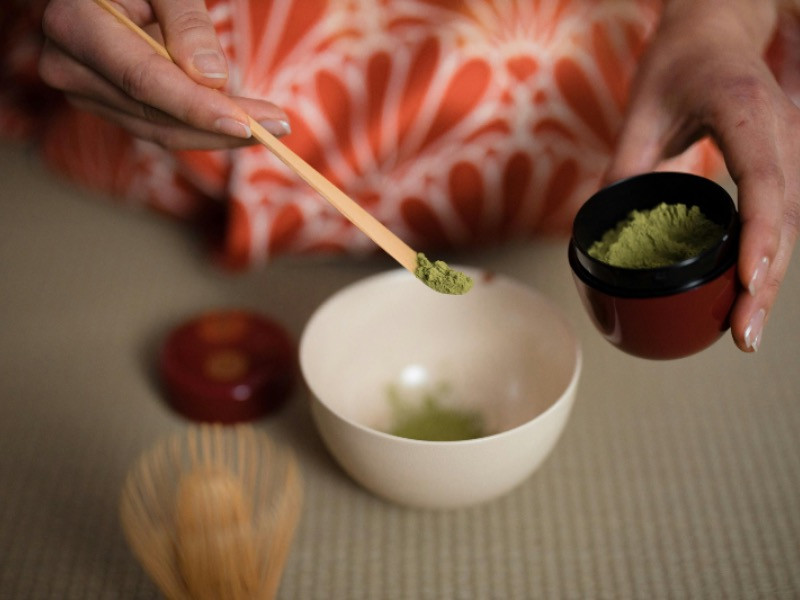
- Matcha builds mental availability through signalling and category hierarchy, making higher prices feel expected.
- Dubai‑style chewy cookies build mental availability through repetition and social visibility, turning curiosity into momentum
- Premium tea brands like CHAGEE create structural mental availability by redefining what “quality” looks like within the category.
- Visibility alone is not enough; brands that endure shape category meaning, not just trends. The real question for brands today is not pricing, but how a sense of “worth” is formed long before purchase.
Overpriced. Overhyped. Still Sold Out. Why?
We’ve all seen the queues for products that people openly call “overpriced”, but are still selling out.
Ceremonial‑grade matcha drinks priced higher than expected continue to draw long lines. Dubai‑style chewy cookies, spun out of a broader Dubai chocolate craze and amplified through social media, go viral and spread rapidly across markets. Premium tea brands like CHAGEE are redefining milk tea as something more focused, restrained, and intentional; and consumers are following.
On the surface, these products and categories appear unrelated. They differ in format, price points, and cultural context. Yet the outcome is strikingly similar: sustained demand, repeat sell‑outs, and consumers who seem far less price‑sensitive than traditional models would predict.
So the question is no longer whether these products are objectively “worth it.” The more important question is how that sense of “worth” is already being formed before the consumer ever reaches the point of purchase. Consumers arrive at the menu or shelf with impressions already formed. Recognition, familiarity, and meaning are often already in place, shaping whether something feels “worth it” before price even enters the conversation. This is where mental availability matters.
What is Actually Happening?
Mental availability refers to how easily a brand or product comes to mind in buying situations, and what it is mentally associated with when it does. Across categories, brands are increasingly building this availability before purchase, through repetition, consistent framing, and cultural embedding.
As a result, price is no longer the first hurdle to overcome. It becomes a confirmation of perceived value rather than a trigger for evaluation. By the time consumers reach the moment of purchase, they are often not asking “Is this worth it?”; they are asking “Do I want this now?”
1. Matcha: Building Mental Availability Through Signalling
Matcha offers a clear example of how mental availability is built through signalling. The rise of “ceremonial‑grade” matcha has transformed what was once a simple green tea powder into a structured hierarchy. Origin, grade, colour, preparation, and ritual all repeatedly signal authenticity and intention. Over time, these cues shape how consumers mentally organise the category:
- Ceremonial = legitimate
- Deeper green = higher quality
- Deliberate preparation = authenticity
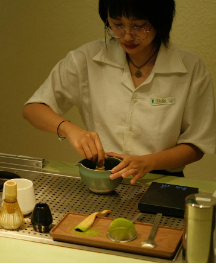
Through visual consistency and cultural repetition, matcha becomes easier to recognise and easier to classify. The category begins to carry an internal structure of value. By the time a consumer sees the price, the product already feels anchored within an understood system; making higher prices feel expected rather than questionable. Here, price follows perception, not the other way around.
2. Dubai-Style Chewy Cookies: Mental Availability Built Through Repetition
Dubai‑style chewy cookies operate through a different mechanism, but lead to the same outcome. Rather than relying on craftsmanship or explanation, the trend builds mental availability through constant visibility. Consumers encounter the product repeatedly through first‑bite videos, exaggerated reactions, comparisons, and recreations across social platforms. This repetition shifts the internal question:
- From “Is this good?”
- To “What does it taste like?”

Familiarity does not come from personal experience, but from repeated exposure to others’ experiences. Over time, the product feels known before it is ever tried. This reduces perceived risk and so trial feels easier. The price becomes secondary to curiosity and momentum. Demand, in this case, feels less like a conscious decision and more like a pull created by recognition.
3. CHAGEE and Premium Tea: Structural Mental Availability
Brands like CHAGEE represent a more structural shift in how mental availability is built. Milk tea was once defined by customisation through sugar levels, toppings, combinations and flexibility. Value was often linked to how much choice was available.
But premium tea brands are changing that logic. Instead of expanding options, they narrow focus. Instead of emphasising variety, they centre the experience around a small set of intentional, carefully constructed drinks.
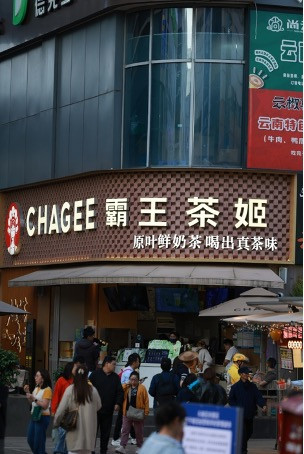
In CHAGEE’s case, simplicity becomes the signal. Fresh tea leaves, milk, and sugar form the base, with a curated menu that feels deliberate rather than playful. This changes how the category is evaluated. Consumers no longer judge value based on personalisation or add‑ons, but on how complete the experience feels as defined by the brand. Authority shifts away from the consumer and towards the brand’s definition of “good”. Once that happens, price is no longer compared against flexibility or quantity; but against perceived quality and coherence of the experience itself.
Beyond Visibility: Why Mental Availability Matters More
What these examples share is not just hype or visibility, but strong mental availability at the moment of decision. By the time consumers encounter these products, they:
· recognise them,
- understand how to place them within a category,
- and associate them with a certain type of experience or standard.
This familiarity reduces friction at purchase. Price still matters, but it is evaluated later, once meaning and recognition are already doing the work. This is why many “overpriced” products continue to perform. They are not asking consumers to decide from zero.
What This Means for Brands
For brands, this shifts where the real work happens. Building demand is not just about what happens at the shelf or counter. It is about shaping what consumers carry with them into the buying moment: the associations, expectations, and mental shortcuts that make a product feel worth buying before price is even considered. Visibility alone is not enough; virality alone is rarely sustainable. The brands most likely to endure are those that:
- move beyond trend‑chasing,
- consistently frame what quality looks like,
- and build mental availability that anchors them within the category.
Because in today’s landscape, the question is no longer simply whether a product is worth its price. It is how that sense of worth is already being built long before purchase ever happens.
Looking Beyond What’s Selling
At Illuminate Asia, we help brands understand not just what people are buying, but why it already feels worth buying in the first place. By unpacking how value is shaped through culture, perception, and mental availability, we turn insight into strategies built to last. If you’re looking to deepen your understanding of today’s consumer landscape, reach out at info@illuminateasia.com.
FAQ
1. Why do “overpriced” products still sell out?
Because consumers are often not evaluating from scratch at the point of purchase. Familiarity, recognition, and perceived value have already been shaped earlier through culture, repetition, and framing.
2. What is mental availability?
Mental availability refers to how easily a brand or product comes to mind in buying situations, and what it is associated with when it does. It is built through repeated exposure and consistent meaning over time.
3. How is matcha an example of mental availability?
Ceremonial‑grade matcha has created a structured hierarchy within the category. Signals like colour, preparation, and ritual repeatedly reinforce legitimacy, making higher prices feel expected rather than questionable.
4. Why do viral products like Dubai‑style cookies gain traction so quickly?
They build familiarity through constant social exposure. Consumers feel like they already “know” the product before trying it, which lowers perceived risk and makes trial feel easier.
5. How are premium tea brands like CHAGEE changing the category?
By narrowing focus and defining quality through restraint and intention, CHAGEE shifts authority from consumer customisation to brand‑defined standards of “good”.
6. What should brands focus on instead of chasing trends?
Rather than reacting to trends, brands should focus on shaping meaning, setting category expectations, and building strong mental availability that lasts beyond short‑term virality.
References:
- https://www.foodandwine.com/dubai-chewy-cookie-trend-11910129
- https://www.artoftea.com/blogs/tea-101/what-is-ceremonial-grade-matcha?srsltid=AfmBOor4bF25niwwPRcsWvufvYi1c1Zd9Kbx9GKSs73HXZe88jSoysf5
- https://kathrynread.com/the-rise-of-chagee-how-a-premium-tea-brand-became-a-global-contender/