


We’ve all seen the screenshots. In early 2026, two massive viral waves hit our feeds, and with them came a tidal wave of brands trying to "ride the vibe."
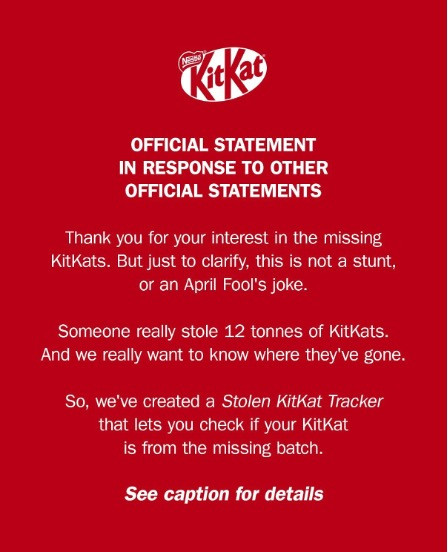
First, there was the "Great KitKat Heist" in Europe, where a truck carrying 12 tonnes (over 400,000 bars) vanished en route from Italy to Poland. Nestlé leaned into the crisis with a "Stolen KitKat Tracker," prompting everyone from Ryanair and Domino’s to McAfee to chime in with witty replies.
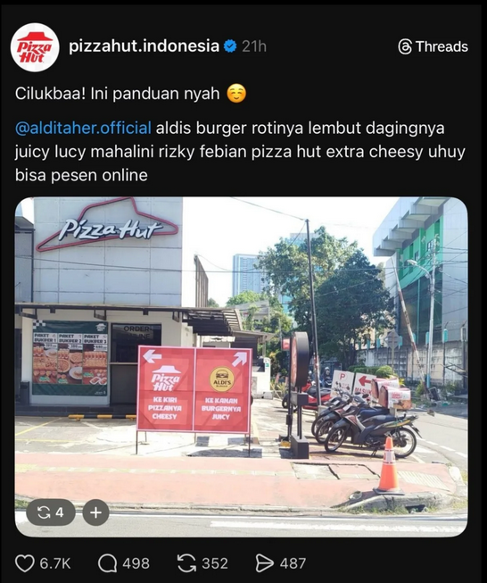
Then, closer to home, we witnessed the rise of Aldis Burger. Located in Cempaka Putih, Jakarta, the stall became a phenomenon through celebrity owner Aldi Taher’s "spam marketing" strategy: relentlessly posting and spam through comments in social media using the absurd, rhythmic jargon: "Aldis Burger rotinya lembut dagingnya Juicy Lucy Mahalini Rizky Febian bisa pesen online." It got so big that Pizza Hut Indonesia - whose outlet happens to be right in front of the stall - joined in, even posting a photo of a sign directing people to the burger joint behind them.
While social media managers celebrate the "engagement" of these moments, a look through the lens of evidence-based marketing tells a different story. By jumping on the bandwagon, brands aren't building their own future; they might be paying for a frequency boost for someone else.
The Illusion of Rented Salience
Brand growth depends on Mental Availability: the probability that a buyer will think of your brand in a buying situation. You build this through the consistent use of Distinctive Brand Assets (DBA): your specific colors, logos, and taglines.
When Pizza Hut adopted Aldis Burger’s nonsensical jargon, they weren't just being "neighbourly." They were borrowing a competitor's mental "node." From a memory-structure perspective, the encoding that happens in the consumer’s brain is tied to the Aldis Burger story. Pizza Hut becomes a supporting character in Aldi’s narrative, reinforcing his brand salience while their own remains stagnant.
The Attribution Trap
Marketing only works if it is linked to your brand in memory. This is where most bandwagoning fails.
When global brands "helped" search for the stolen KitKats, they were providing Nestlé with millions in free media reach. Every tweet reinforced the KitKat = Break association. A week later, a consumer doesn’t remember "that clever tweet by the airline"; they remember the stolen KitKats.
The "Vampire Effect" of the trend sucks the life out of the brand’s own identity. If the consumer remembers the joke but not the brand that told it, the marketing spend has a 0% ROI.
Diluting the Distinctive
To stand out, a brand must be Distinctive, not just being talked about for a day.
Look at the physical sign Pizza Hut put up: "Ke Kanan Burger-nya Juicy." By pointing customers toward a competitor at the exact moment of a potential purchase, they are actively reducing their own Category Entry Point (CEP). Instead of refreshing the memory of a "Pan Pizza for lunch," they are refreshing the memory of a burger stall.
By trying to be relatable and agile, brands abandon their own visual and verbal assets to blend into the meme of the week. But if you look like everyone else, you’ve failed the most basic requirement of branding: being easy to identify and buy.
The Bottom Line
Viral engagement is a transient signal, not a long-term memory structure. Every time your brand joins a trend that belongs to another, you are:
- Providing Social Proof for a competitor or another category.
- Diluting your own assets to fit a temporary aesthetic.
- Acting as a pro-bono media agency for the trend’s originator.
The next time a "Stolen KitKat" or a "Juicy Lucy Burger" happens, the smartest move might not be to chime in. It might be to stay quiet and keep building your own assets - because being "clever" in someone else’s thread doesn't put your brand in the shopping cart.
--------------------------------------------------------------
Want your brand to grow without relying on borrowed trends? Illuminate Asia helps teams build mental availability through distinctive brand assets, clear category entry points, and evidence-based marketing strategy. If you’d like a quick diagnostic of your current content (and a practical plan to make it more distinctive), contact us on info@illuminateasia.com
FAQ
- What is bandwagon marketing (trendjacking) in social media?
It’s when a brand joins an already-viral story, meme, or public moment to get quick attention—often by replying, remixing a catchphrase, or creating reactive posts. - Why can trendjacking help your competitors?
Because the audience’s memory links the moment to the trend’s original “owner.” Your post can act like free media that increases the originator’s brand salience while your own distinctive cues remain weak. - What is “mental availability” and why does it matter?
Mental availability is how likely people are to think of your brand in a buying situation. It grows through consistent distinctive brand assets (colors, logos, taglines) that are repeatedly encoded in memory. - What is the vampire effect in marketing?
It’s when people remember the joke, trend, or creative execution—but not the brand behind it—so attention doesn’t translate into brand growth or sales impact. - How did the Aldis Burger phenomenon in Cempaka Putih relate to bandwagon marketing?
The viral jargon and comment-spam style created a strong memory structure for Aldis Burger. When nearby or larger brands echoed the same verbal asset, they risked reinforcing Aldis Burger’s node in memory rather than their own. - Is it ever smart for Jakarta brands to join a viral local trend?
It can be—if the post clearly and repeatedly uses your own distinctive assets and connects to a buying situation (a real offer, product cue, or category entry point), not just the trend’s punchline. - What should a brand do instead of jumping on every trend?
Build consistency: use your distinctive brand assets, repeat a small set of recognizable messages, and invest in category entry points that help buyers remember you at the moment of purchase. - What’s a quick checklist before posting a reactive “viral” reply?
Ask: (1) Will people remember our brand without the logo? (2) Does this strengthen our distinctive assets? (3) Is there a clear link to a buying situation? (4) Are we amplifying a competitor’s story more than our own?