


In the heat of Ramadhan, Indonesia’s Zakat institutions are doing more than just appealing to piety. They are running a sophisticated marketing masterclass rooted in behavioral science. From framing financial sacrifices as "soul cleansing" to positioning religious tithes as a "productive investment" , these organisations are deploying a diverse range of psychological triggers to move citizens from mere awareness to digital payment.
For those unfamiliar with the practice, Zakat is a mandatory religious obligation for Muslims, functioning as a form of wealth purification and social redistribution. It is typically calculated as 2.5% of a person's total wealth , provided that wealth meets a minimum threshold called Nisab (the minimum amount of wealth a Muslim must possess before being obligated to pay Zakat) and has been held for one lunar year, known as Haul (the requirement that wealth must be held for one full Islamic year before Zakat is due). Beyond a mere donation, it is viewed as the "right" of the less fortunate existing within one's own possessions.
The industry’s communication strategy functions like a classic behavioural funnel. By segmenting their messaging into seven distinct themes, Zakat institutions are systematically dismantling the mental barriers that prevent potential donors from clicking "send".
Phase 1: Overcoming the Knowledge Gap
The funnel begins with Theme 1: Zakat as part of obligation as Muslims. The primary hurdle here is uncertainty. Potential donors often wonder: Am I required to pay? Exactly how much do I owe?
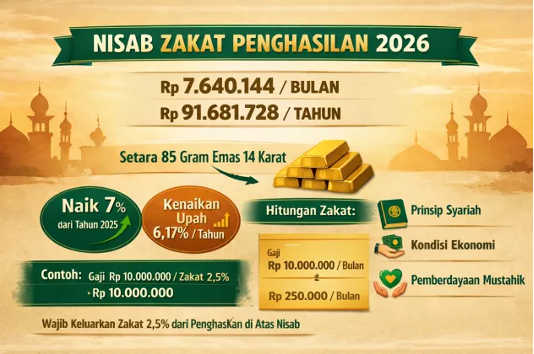
To solve this, ads focus on Moral Obligation Activation (reminding individuals of their religious duties to encourage compliance). They use religious symbols and official logos to establish authority, providing clear, mathematical illustrations of the 2.5% calculation based on income and wealth types - ranging from gold to agriculture. By clarifying the rules of Nisab and Haul, they reduce the friction of "not knowing".
Phase 2: Building Motivation
Once the obligation is established, the messaging pivots to emotional and financial framing to build genuine desire.

- Loss Aversion Reduction (framing a cost as a small portion of a larger whole to reduce the pain of giving): Communication with Theme 2: Small Amount, Countless Blessings, tackles the perceived financial sacrifice by framing the 2.5% as "small" compared to the 97.5% that the donor keeps.

- Spiritual Identity: This focuses on the "soul cleanser" narrative. Communication that refers to Theme 3: Zakat as One’s Soul Cleanser, using happy visuals of donors, these ads promise inner peace and a blissful life, linking the act of giving to an emotional reward.

- Empathy and Fairness: Communications of Theme 4: Zakat as an expression of ‘sharing is caring’, bridges the emotional distance between the donor and the recipient. By emphasizing that there is "someone else's right in our possession," these ads use beneficiary faces and real distribution images to trigger compassion.
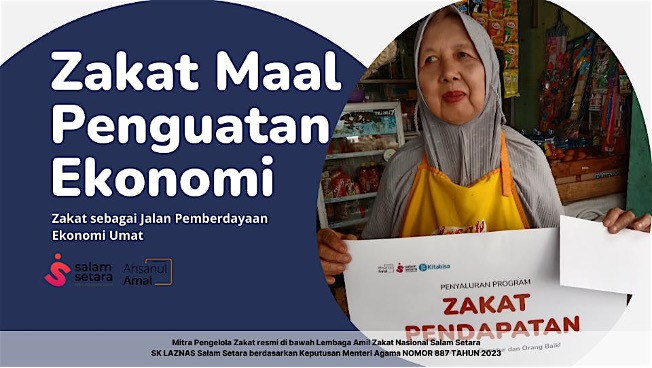
- Impact Perception: Theme 5 frames Zakat as a Productive Investment (charity that provides sustainable economic support rather than just immediate relief). The focus shifts to economic empowerment for MSME (Micro, Small, and Medium Enterprises). Terms like "sustainable" and "productive" convince donors their money creates long-term impact.
Phase 3: Closing the Intention-Action Gap
The final hurdle is procrastination; many people intend to pay but simply delay doing so.

Theme 6 creates an Urgency & Action Trigger. Using phrases like "Jangan Ditunda" (Do not delay) and "Tunaikan Sekarang" (Pay now), institutions use direct commands to push for immediate compliance.

Finally, Theme 7 targets the younger demographic by rebranding Zakat as a Lifestyle. By using modern visuals and a casual tone - proclaiming "Berzakat itu Kalcer" (Zakat is Culture/Trendy) - they use Social Norming (showing that a behaviour is common among peers to encourage others to follow suit) to show that paying Zakat is part of being a modern professional.
The Bottom Line
Zakat institutions are no longer just asking for donations; they are managing a behavioural funnel. By aligning their "core message" with specific "behavioural drivers," they are effectively turning an ancient religious duty into a modern, streamlined consumer action.
FAQs
- What is Zakat?
Zakat is a mandatory obligation for Muslims to give a portion of eligible wealth for redistribution and social support. It is commonly calculated as 2.5% once wealth meets the nisab threshold and has been held for one lunar year (haul). - What do nisab and haul mean?
Nisab is the minimum wealth threshold that makes Zakat due. Haul means the wealth has been owned for one full Islamic (lunar) year before Zakat is payable. - How do Zakat institutions in Indonesia use a “behavioural funnel”?
They sequence messages from education (clarifying who must pay and how to calculate) to motivation (spiritual and impact framing) and finally to action (urgency prompts and easy digital payment pathways). - Why do campaigns emphasize “only 2.5%”?
This reduces the feeling of loss by framing Zakat as a small portion of total wealth (2.5%) compared with what a donor keeps (97.5%), making the decision feel lighter and more manageable. - What behavioral triggers are most common in Zakat marketing?
Common triggers include moral obligation cues (religious duty), spiritual identity framing (purification/soul cleansing), empathy and fairness cues (others’ rights within our possessions), impact framing (productive investment), and urgency prompts (“don’t delay”). - What does “Zakat as a productive investment” mean?
It frames giving as funding long-term empowerment—such as economic support for MSMEs—rather than only short-term relief, helping donors perceive tangible, sustained outcomes. - How do campaigns encourage people to pay Zakat immediately?
They close the intention–action gap with direct calls to action (e.g., “Jangan Ditunda,” “Tunaikan Sekarang”), limited-time Ramadhan context, and simplified digital payment steps. - Why is “Zakat as lifestyle” messaging aimed at younger audiences?
By using modern visuals and casual language (e.g., “Berzakat itu Kalcer”), institutions signal that paying Zakat is a normal, socially approved behavior among peers—making it feel relevant to contemporary identity.